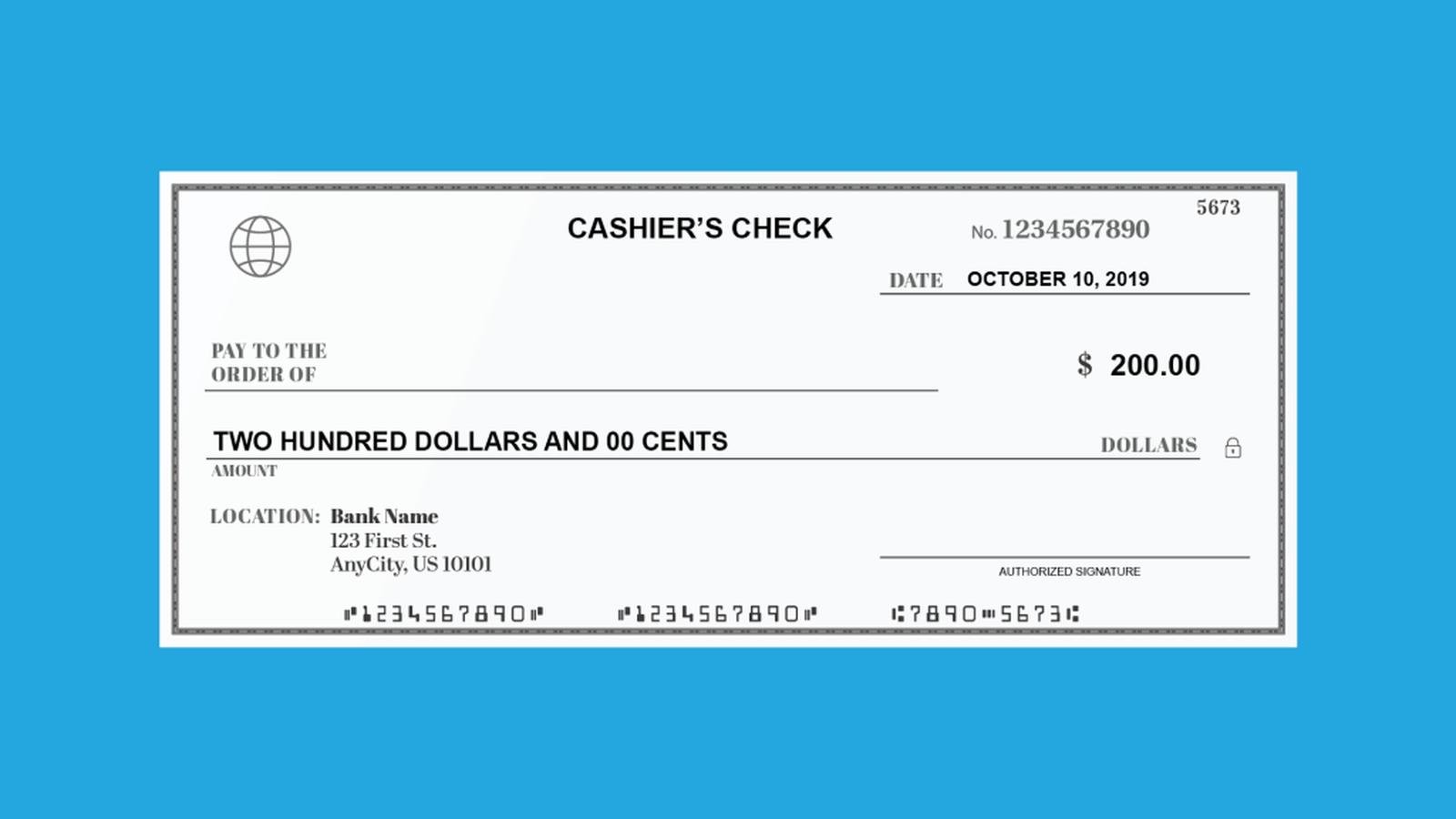
Cashier’s Check Guide 2026: A cashier’s check is a bank-issued payment instrument, usually used when someone needs to send a larger amount and wants a bit more certainty than a personal check can really give. Instead of being taken straight from the customer’s own account like a personal check is, a cashier’s check is pulled from the bank itself once the bank has received the funds from the customer first. In other words, the bank becomes the payer, not the individual.
But there is an important catch: a genuine cashier’s check is secure, but a counterfeit cashier’s check is not. Fraudsters frequently use fake cashier’s checks in online sales, employment and overpayment scams. The fact that a bank makes deposited funds available does not automatically mean the check is genuine.
What Is A Cashier’s Check?
A cashier’s check is a check issued by a bank and drawn against the bank’s own funds rather than directly against the customer’s personal checking account.
Under U.S. Regulation CC, a cashier’s check is a check drawn on a bank and signed by a bank officer or employee on behalf of the bank.
For example, suppose you are buying a car for $25,000 and the seller does not want a personal check. You can ask your bank for a $25,000 cashier’s check payable to the seller. The bank takes $25,000 from your available funds and issues the check.
How Does A Cashier’s Check Work?
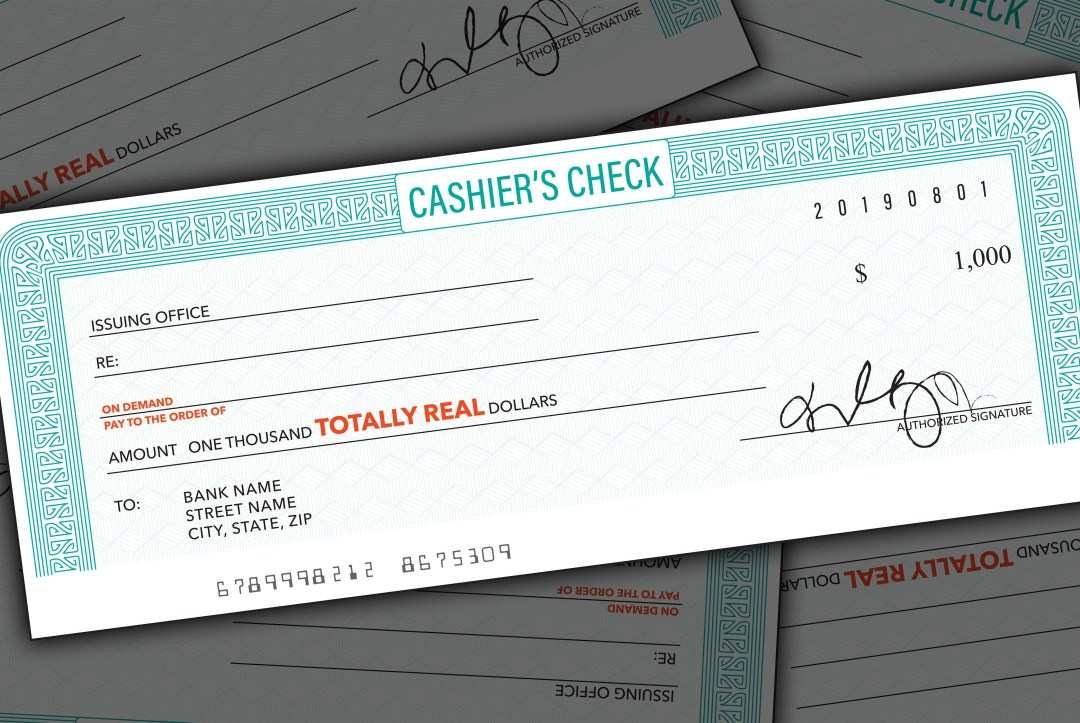
A cashier’s check essentially separates the payment from your personal checking account.
With a personal check, you write a check and the recipient deposits it. The money ultimately comes from your account, so the check can potentially bounce if sufficient funds are not available.
However, “cashier’s check” does not mean “impossible to counterfeit.” A fraudulent check can look convincing and may even result in funds temporarily appearing in the recipient’s account. Federal banking authorities warn that availability of funds is not proof that a cashier’s check is legitimate.
How to Activate ebtEDGE PIN in 2026: EBT PIN Select Guide
What Are Cashier’s Checks Used For?
Cashier’s checks are generally useful when the recipient wants a secure form of payment for a substantial amount. Common uses include:
1. Buying a home
Cashier’s checks can be used for some real-estate payments, including funds tied to the closing, deposits, or other amounts that the transaction parties request.
Still, buyers should confirm the payment instructions on their own. Real-estate wire and payment fraud may involve criminals impersonating legitimate parties, and that’s not exactly rare.
2. Buying a car
A dealership or a private seller might ask for a cashier’s check for a vehicle purchase, especially when the deal is for a sizable sum.
Before you buy the check, confirm the exact amount and the recipient’s legal name with the seller. Don’t just rely on what was said over the phone.
3. Paying a security deposit
Some landlords and property managers accept or even request cashier’s checks for security deposits, or other large initial payments.
4. Large private purchases
A cashier’s check can help when you’re buying an expensive item from a private seller who doesn’t want a personal check.
5. Certain legal or official payments
Some legal matters or institutions may name cashier’s checks as an acceptable method.
The main thing is to verify the recipient’s payment requirements before buying the check. If the transaction changes, a cashier’s check can be awkward to replace.
How To Get A Cashier’s Check?
Step 1: Confirm the amount
Know the exact total you need to pay. Do not estimate, particularly for a home closing or any transaction with strict payment rules.
Step 2: Get the recipient’s exact name
Tell the bank clearly who the check should be made payable to. Avoid requesting a blank cashier’s check, and make sure the recipient’s name spelling is right before the bank prints it.
Step 3: Visit your bank or use its online options
Many banks and credit unions issue cashier’s checks for customers. Some places also allow credit unions to do it online, or via an app, though availability depends on the institution.
4. Large private purchases
A cashier’s check can come in handy if you’re buying a pricey item from a private seller who just does not want to deal with a personal check, or so they say.
5. Certain legal or official payments
Some legal transactions and certain institutions might say that a cashier’s check is an acceptable way to pay.
The key idea is simple: double-check what the recipient requires before you buy the check itself. A cashier’s check can be a bit of a hassle to undo or replace later if the deal or arrangement changes.
How Much Does A Cashier’s Check Cost?
There is no single nationwide cashier’s check fee. The cost depends on the bank, account type and whether you qualify for a fee waiver.
Bankrate’s March 2026 review found that cashier’s check fees at many major banks generally fall around $8 to $15, although some accounts charge less or waive the fee.
Current examples illustrate the variation:
- Chase: $8
- Bank of America: $15
- Wells Fargo Everyday Checking: $10
- Wells Fargo Prime Checking: $0
- U.S. Bank: $7
- Capital One: $10 in branch; online pricing can differ
For example, Bank of America currently lists a $15 cashier’s check fee, with a waiver for customers enrolled in Preferred Rewards. Wells Fargo lists $10 per cashier’s check for its Everyday Checking account, while its Prime Checking account currently lists the fee as $0.
Cashier’s Check Vs. Certified Check
These two are often confused, but they are not identical. A cashier’s check is issued by the bank and drawn on the bank’s funds.
A certified check is your personal check that the bank verifies and certifies, confirming that sufficient funds are available and setting them aside according to the bank’s procedures.
Chase describes the key distinction as the source of the funds: cashier’s checks are issued by the bank, while certified checks are personal checks that the bank verifies.
Cashier’s Check Vs. Money Order
A money order is another prepaid payment instrument, but it is generally designed for smaller amounts. Money orders are available from various banks, the U.S. Postal Service and other providers. Limits and fees depend on the issuer.
A cashier’s check generally makes more sense when you need to pay a larger amount and the recipient specifically wants a bank-issued check.
For smaller payments, a money order may be cheaper and easier.
Cashier’s Check Vs. Wire Transfer
A wire transfer moves money electronically rather than providing a physical check.
A wire may be preferable when:
- The recipient needs funds quickly.
- The transaction is remote.
- The recipient specifically requests a wire.
- A large amount needs to be transferred electronically.
For large transactions, always verify wire instructions independently rather than relying solely on an email or text message.
Are Cashier’s Checks Safe?
Genuine cashier’s checks are generally considered a secure payment method, but they are not fraud-proof.
The Office of the Comptroller of the Currency warns that counterfeit cashier’s checks are used in scams where victims deposit the check and then send money, goods or excess funds to someone else. The counterfeit check may not be discovered until later, at which point the bank can reverse the deposit.
How Quickly Does A Cashier’s Check Clear?
This is an area where consumers should be careful with the word “clear.” Under current U.S. Regulation CC rules, cashier’s checks generally receive next-business-day availability treatment, subject to applicable exceptions.
However, funds being available does not necessarily prove that the check is legitimate. The federal thresholds were updated effective July 1, 2025. The current large-deposit and new-account threshold is $6,725, not the older $5,525 figure that still appears on some websites.
Banks can apply permitted exceptions, including for large deposits, new accounts and situations involving reasonable doubt about collectibility.