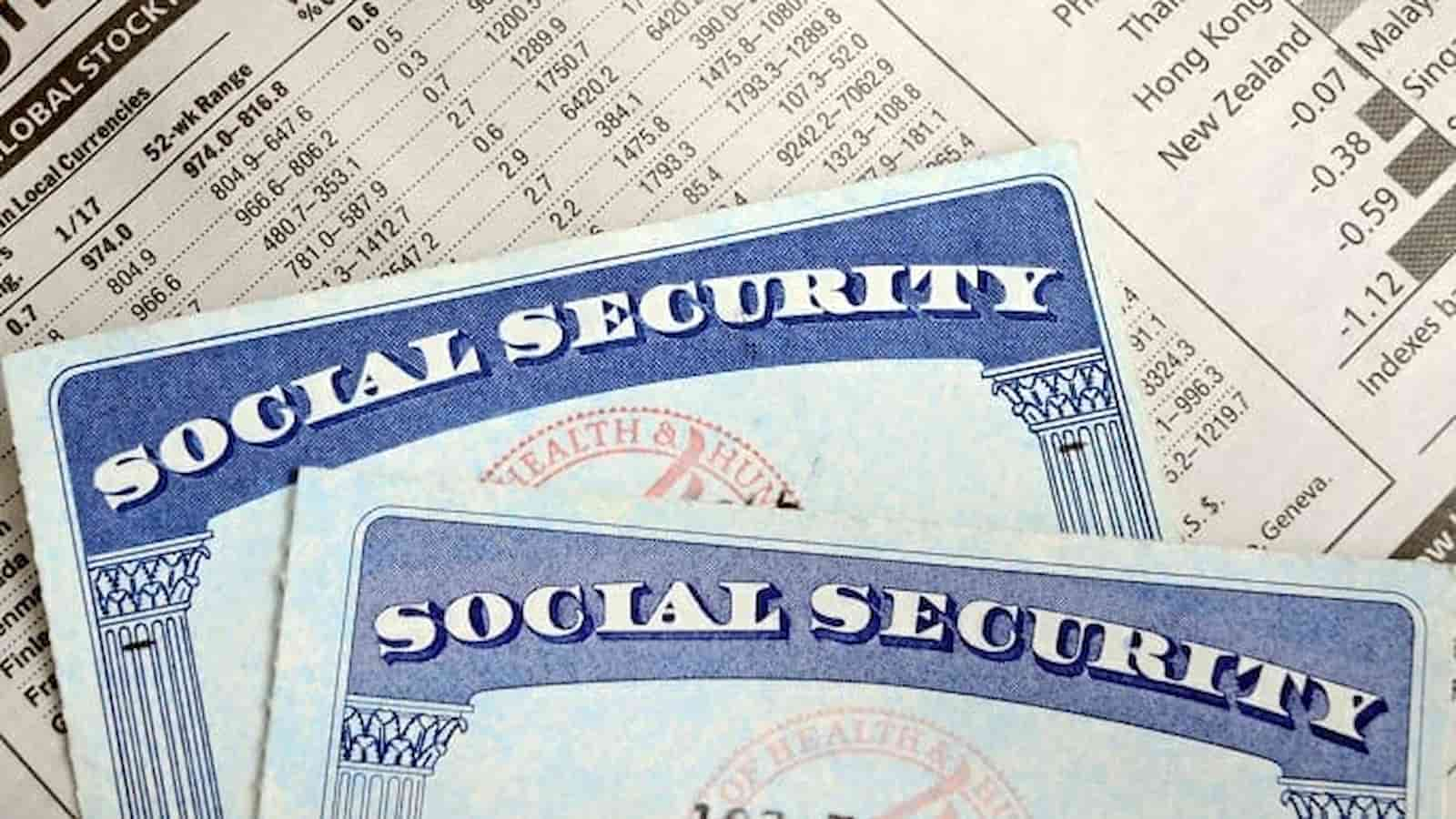
Social Security Scams: Retirees are being warned that Social Security scams are no longer just strange robocalls or obvious fake emails. The latest frauds can look very real. Criminals are pretending to be from the Social Security Administration, the SSA Office of the Inspector General, and other government offices.
In 2026, SSA OIG even warned about scammers using real SSA employee names, fake badges, and fake Social Security statement emails. The SSA also says scammers may copy SSA images, colors, and official-sounding words to make fake social media pages look trusted.
Social Security Payment Schedule for August 2026: Who Will Receive Two Payments Around July-August?
How does the Scam Usually Starts?
Most of these scams begin with fear. A caller or message may say your Social Security number has a problem, your benefits will stop, or police are already involved. The whole idea is to make you panic fast and think later.
Some scammers also show fake documents, badge photos, or official-looking letters. The SSA and FTC say real government workers do not ask for private information through social media, text, or email. They also do not demand quick payment or threaten arrest over the phone.
A big warning sign is how they ask to be paid. If someone says you must pay with gift cards, cryptocurrency, wire transfers, prepaid debit cards, cash, or gold bars, that is a scam. Another red flag is any request to move money into a “safe” account or a “protected” bank account. Government agencies do not tell people to hide money from family, banks, or police. The FTC and SSA both warn that these are classic imposter tricks.
What Retirees should do?
Check carefully
The safest move is to stop and check. Do not answer fast just because the message sounds urgent. Hang up, delete the text, or ignore the email, then contact the SSA or another official office by using a trusted number or website that you found yourself.
Social Security Payment Dates For August 2026: Full Monthly Schedule
Don’t Open
Do not click strange links, open unexpected files, share passwords, or give remote access to your phone or computer. If a message says you must act right away, that is exactly when you should slow down.
Contact your Bank
If money was already sent, contact your bank at once and block the scammer’s number or email. Report the case to local police and the SSA OIG scam reporting system. If personal details were exposed, retirees can protect themselves by creating or securing a my Social Security account, placing fraud alerts with Equifax, Experian, and TransUnion, and reporting identity theft through the federal recovery system.