US Health Care Fraud: The U.S. Justice Department has brought charges against 455 people in a wide health care fraud crackdown that officials say involved more than $6.5 billion in false claims. The cases include 90 doctors and other licensed medical professionals and cover alleged scams tied to Medicare, Medicaid, opioid distribution, and other health programs. Officials said the action spanned many federal districts and states and was the largest joint anti-fraud effort of its kind so far.
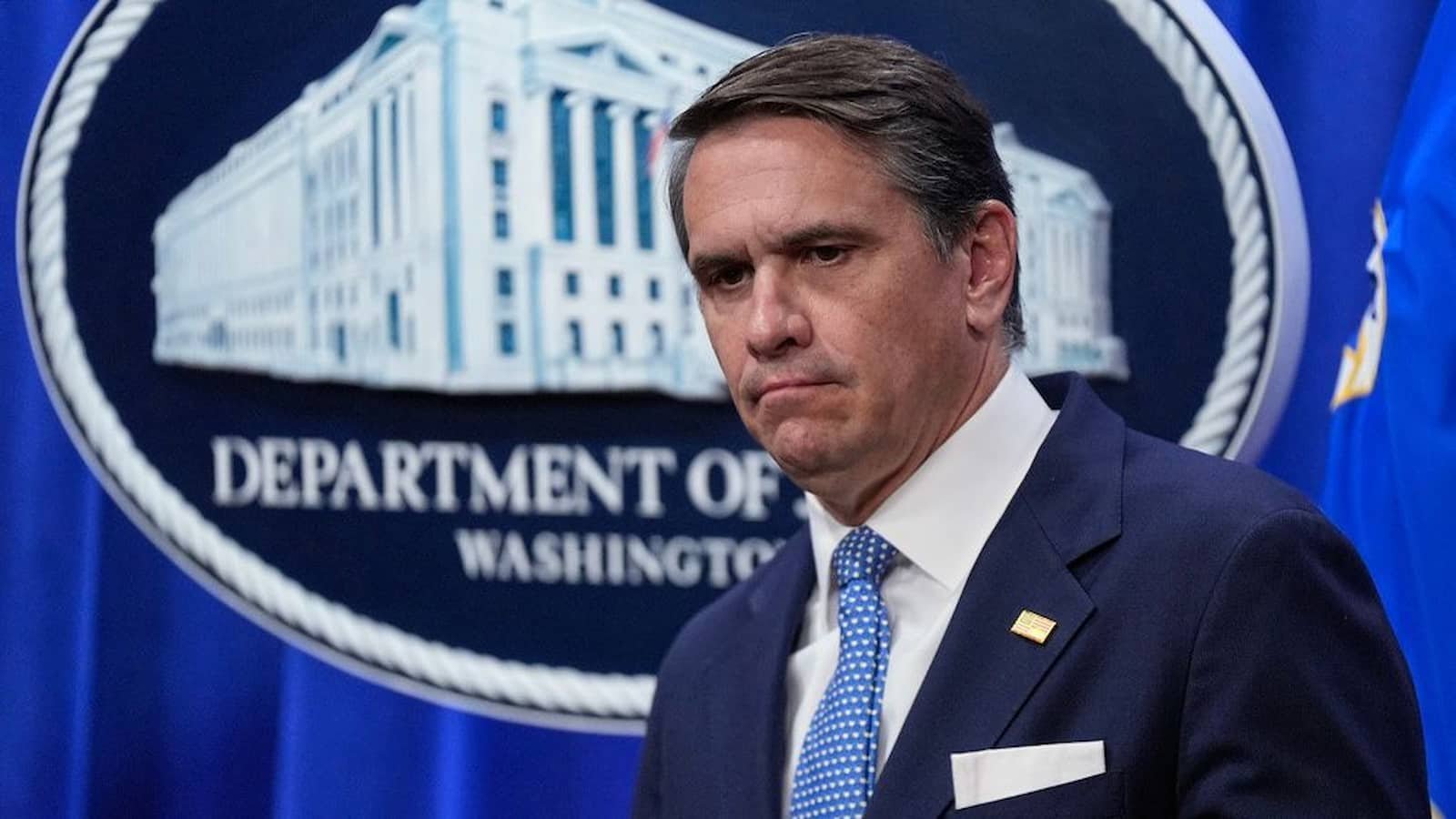
“This year’s National Health Care Fraud Takedown represents the greatest whole-of-government effort to combat health care fraud in our Nation’s history,” said Acting U.S. Attorney General Todd Blanche in the DOJ statement. “Under the decisive leadership of President Donald Trump, Vice President JD Vance, the White House Task Force to Eliminate Fraud, and our law enforcement partners, this administration has ushered in a new era of enforcement that will safeguard taxpayer dollars.”
Medicaid Rules Tighten: Serious Illness Alone No Longer Qualifies for Exemption
North Carolina was one of the states where investigators filed both federal and state-level cases as part of the nationwide crackdown.
Wound Care Cases at the Center
A big part of the crackdown focused on wound care, especially amniotic wound allografts. Prosecutors said one Arizona case alone involved huge billing for those products, with claims that providers billed Medicare for more than $4 billion and received more than $2 billion in payments. Officials said the products were allegedly relabeled and sold at a massive markup, and some patients were given treatments that were not needed.
One Texas nurse practitioner was also charged in what prosecutors described as a $906 million scheme. They said she used medically unnecessary allografts and billed Medicare for more than $1 million per patient on average. In another case, a Florida medical director was charged in an $89 million scheme tied to unnecessary heart testing for student athletes. Prosecutors said one test was approved in seconds and a student later died from heart-related complications.
More Cases and More Warnings
The sweep also reached opioid cases. Officials said 36 defendants were charged in opioid-related prescribing and distribution schemes, including 28 licensed medical professionals. There were also Medicaid fraud cases, including a Virginia case where a mental health company co-owner was accused of targeting homeless people with illegal bribes and fake billing.
In California, prosecutors charged a hospice owner and two others in a $27.7 million Medicare fraud case. They said the owner tried to dodge detection by buying information about dead people from a funeral home employee, enrolling people who were not terminally ill, and filing fake records.
Robert F. Kennedy Jr. said, “Health care fraud steals from taxpayers, exploits vulnerable patients, and puts lives at risk,” while CMS Administrator Dr. Mehmet Oz said, “CMS is done playing catch-up,” and added, “We’re deploying advanced data analytics to expose fraud networks, freeze suspicious payments, and shut down bad actors before they can do damage.”
This VA Home Loan Benefit Could Save Veterans Thousands on a Home Purchase
Common Fraud used by Medical providers
According to the FBI, these are some of the healthcare fraud schemes most often linked to medical professionals and healthcare providers.
- Double-billing means the provider sends more than one bill for the same service, so they may get paid twice for one job.
- Phantom billing means charging for a visit, test, or supply that the patient never got at all.
- Unbundling means breaking one service into many smaller bills so the total charge becomes bigger than it should be.
- Upcoding means billing for a more costly service than the one that was really done.
- Kickbacks and unnecessary care also show up often in health care fraud cases. That can mean paying or receiving money for referrals, or ordering treatment the patient does not really need.
Fraud done by Patients and Others
- Identity theft is a common trick. Fraudsters may use stolen health insurance details or other personal data to make fake claims for services that were never given.
- Using someone else’s insurance is another problem. A person may let another person use their coverage, or may pretend to be someone else to get care or bill insurance.
- Pretending to be a health care worker is also a real scam. Some people have posed as nurses or other licensed workers even when they had no valid license.
Prescription Fraud
- Fake prescriptions are a major issue. That can mean using forged papers or fake details to get medicine that should not be handed out.
- Doctor shopping means going to several doctors to get the same or similar controlled drugs again and again.
- Illegal drug distribution can also appear in these cases, especially when real prescriptions are used in the wrong way or medicine is handed out through fake systems. Recent federal cases have included huge drug and telemedicine schemes tied to fraud.
Sweet v. McMahon Settlement Brings Student Loan Relief to 30,000 More Borrowers
Way to Stay Safe
- If the bill looks too high, too split up, or tied to care that never really happened, that is often where fraud starts.
- If insurance details are being misused, or someone is acting like a nurse or doctor without proper papers, that is also a big warning sign.
- If a patient keeps seeking repeated prescriptions from many providers, that can point to prescription abuse or fraud.