Social Security Replacement: Social Security began during one of the hardest periods in American history. The Social Security Act became law in 1935, and payroll taxes started in 1937. The country was still recovering from the Great Depression. Many older people had lost their savings and could no longer support themselves. Their adult children were also struggling to find jobs and care for their own families.
The programme was much smaller when it first started. Workers paid 1% of their covered wages into Social Security. Employers paid another 1%. This made the combined tax rate 2%. By 1950, workers and employers were each paying 1.5%, making the total rate 3%.
Social Security was designed to provide older Americans with a basic monthly income after they stopped working. At that time, the United States had fewer retired people and a much larger number of workers paying taxes into the programme.
America has more Older People

The US population has changed greatly since Social Security began. During the programme’s early years, only around 6% to 7% of Americans were age 65 or older. Today, roughly 18% of the population is in this age group.
Advanced Canada Workers Benefit July 2026 Payment Date Confirmed: Check Here
The US Census Bureau counted about 61.2 million people age 65 and older in 2024. This number is expected to keep rising as Americans live longer and more baby boomers enter retirement. This means more people are retiring and getting Social Security benefits, while fewer workers are paying into the system. This has increased financial pressure on the program.
Fewer Workers Are Supporting Each Beneficiary
In 1950, Social Security had around 16.5 workers paying taxes for every person receiving benefits. However, the programme was still new. Many people were paying into the system while only a smaller number had worked long enough to qualify for monthly payments.
The situation is very different now. In 2025, there were about 2.6 workers for every Social Security beneficiary. That figure is expected to fall to around 2.3 workers by 2035. By 2075, there may be only about 1.9 workers supporting each person receiving benefits.
Payroll Taxes have Increased
The Social Security payroll tax rate has grown since the programme started. In 2026, workers pay 6.2% of their covered wages into Social Security. This creates a combined Social Security tax rate of 12.4%. The tax applies to earnings up to $184,500.
People sometimes mention a payroll tax rate of 15.3%. That number includes both Social Security and Medicare. Medicare takes another 1.45% from workers and 1.45% from employers. Self-employed workers normally pay both the employee and employer shares themselves. Even with the higher tax rate, Social Security now spends more money than it receives each year.
Social Security is Using its Reserves
In 2025, Social Security collected about $1.45 trillion. The money came from payroll taxes, taxes on some Social Security benefits, and interest earned by the trust funds.
But the programme spent around $1.61 trillion. This left a shortage of roughly $160 billion. Social Security used part of its trust fund reserves to cover the gap. The programme’s yearly cost has been higher than its total income since 2021. Its cost has also been higher than its income without interest since 2010. This means the trust fund reserves are slowly being used up.
What Happens if the Trust Fund Runs Low?

Social Security has two main trust funds:
- Old-Age and Survivors Insurance Trust Fund
- The Disability Insurance Trust Fund
The retirement and survivor fund is expected to use up its reserves near the end of 2032. If Congress does not act, incoming tax money may cover only around 78% of scheduled retirement and survivor benefits.
When both major trust funds are counted together, their reserves may last until 2034. After that, incoming revenue could cover about 83% of scheduled benefits. This would not mean Social Security has no money left. Workers and employers would still pay payroll taxes. However, the money coming in may not be enough to pay every promised benefit in full.
According to the Congressional Budget Office, one possible no-action situation could reduce benefits by 7% in 2032. Average yearly reductions could reach 28% from 2033 through 2036. The CBO says this is only an example because current law does not clearly explain how limited money should be divided after reserves run out.
Medicare Pilot Could Lower Weight Loss Drug Costs for Eligible Seniors: Check Details
Is the Trust Fund Real Money?
Some critics say the Social Security Trust Fund is only a government promise. However, its reserves are invested in special US Treasury securities. These securities earn interest and are legal assets owned by the trust fund.
At the same time, these securities are debts owed by one part of the federal government to another. When Social Security cashes them to pay benefits, the Treasury must find the money through taxes, spending changes, or new borrowing.
Many Seniors Depend on Social Security
It is not correct to say that most Social Security recipients are wealthy. Baby boomers hold a large amount of American wealth as a group, but that wealth is not shared equally.
Many older Americans have limited savings and depend heavily on their Social Security checks. A large reduction in benefits could make it harder for them to pay for housing, food, medicine, and other basic needs.
Higher earners usually receive larger monthly payments because they paid more Social Security tax during their careers. However, the benefit formula still gives lower-paid workers more support compared with their previous income.
Can Congress change the Programme?
Congress has several possible ways to deal with the funding problem. Lawmakers could raise payroll taxes, lower future benefits, increase the retirement age, or apply Social Security taxes to more income.
One proposal would raise or remove the annual wage limit on Social Security taxes. A Tax Foundation article called one version “the largest tax increase in decades – and it still wouldn’t save Social Security.” This is the organisation’s view of one proposal. Other experts may disagree.
How Private Retirement Accounts could work

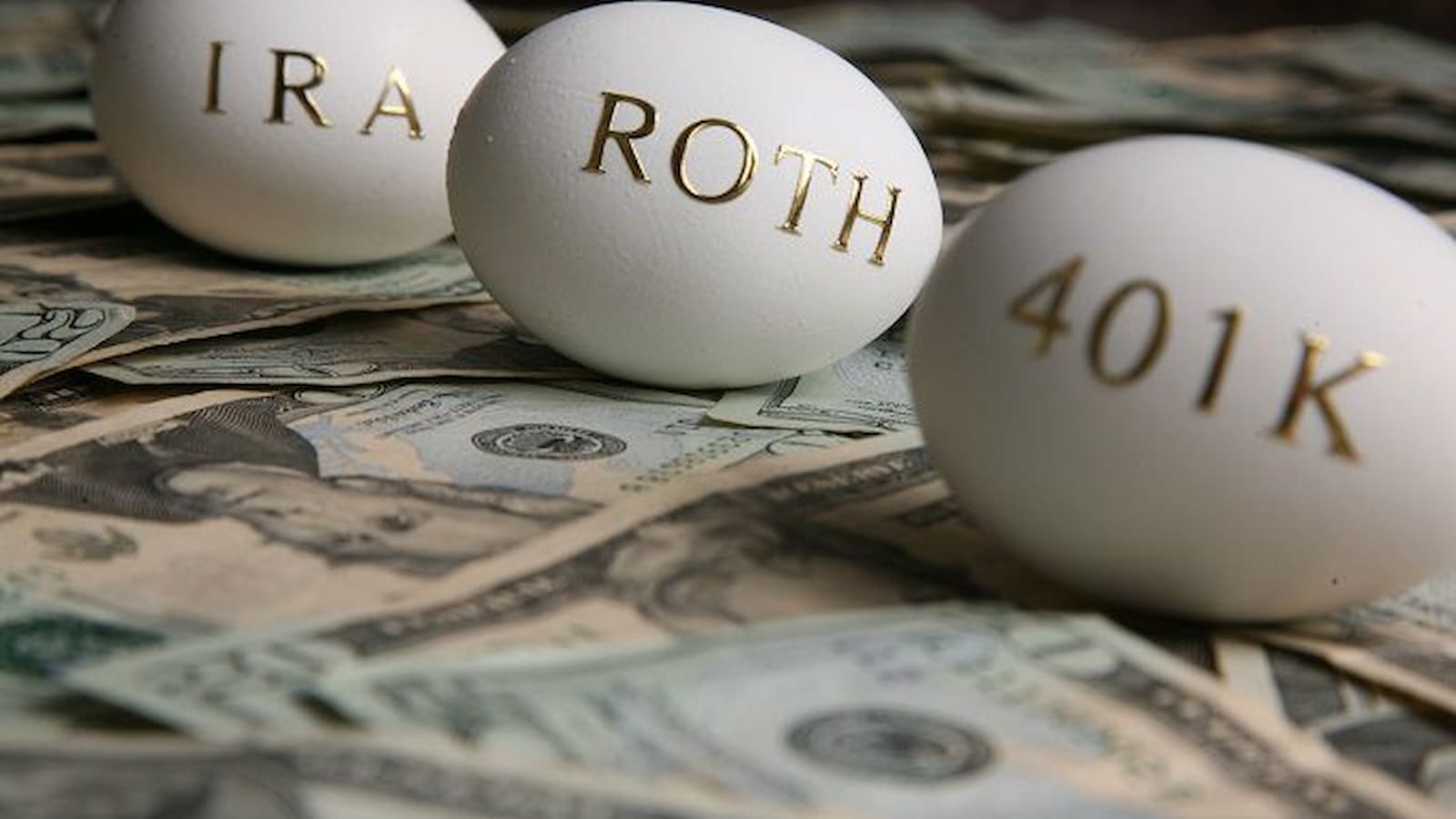
A much bigger change would replace most of Social Security with private retirement accounts. Workers and employers could place money into personal funds that invest in stocks, bonds and other assets. These accounts could work like a universal 401(k) or provident fund. The money would belong to the worker and could grow through investment returns over many years.
What Is the Latest COLA Projection for 2027? Here Is the New July 2026 Estimate
Countries such as Singapore, India and Kenya use different forms of provident funds and retirement savings accounts. Their systems are not the same and do not prove that a similar plan would work perfectly in the United States. But they show that private savings can play a major role in retirement planning.
Private Accounts Could Grow but also Lose Value
One private calculator claims that a median-income worker could have built an account worth around $3.7 million by investing payroll tax money in the stock market. It says this could provide about $15,523 per month at a 5% yearly return.
Any money left after the worker died could also pass to their children. This could help families build wealth over several generations. These figures are not guaranteed cause they depend on strong past market returns and many years of regular investing. A major stock market crash near retirement could sharply reduce the value of an account. Workers with low wages, long periods of unemployment, or breaks from work may also save much less. Some people could retire without enough money to support themselves.