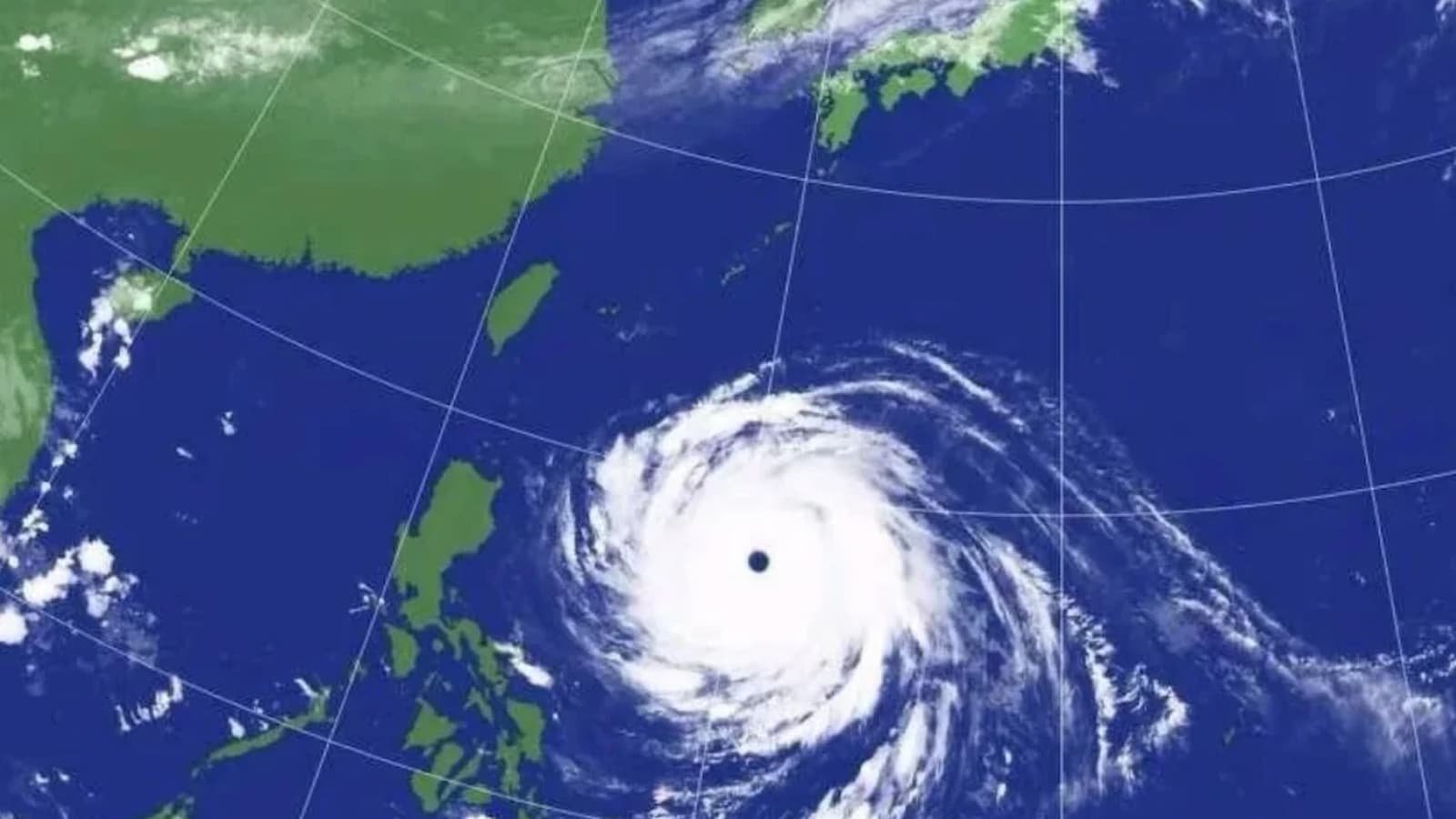
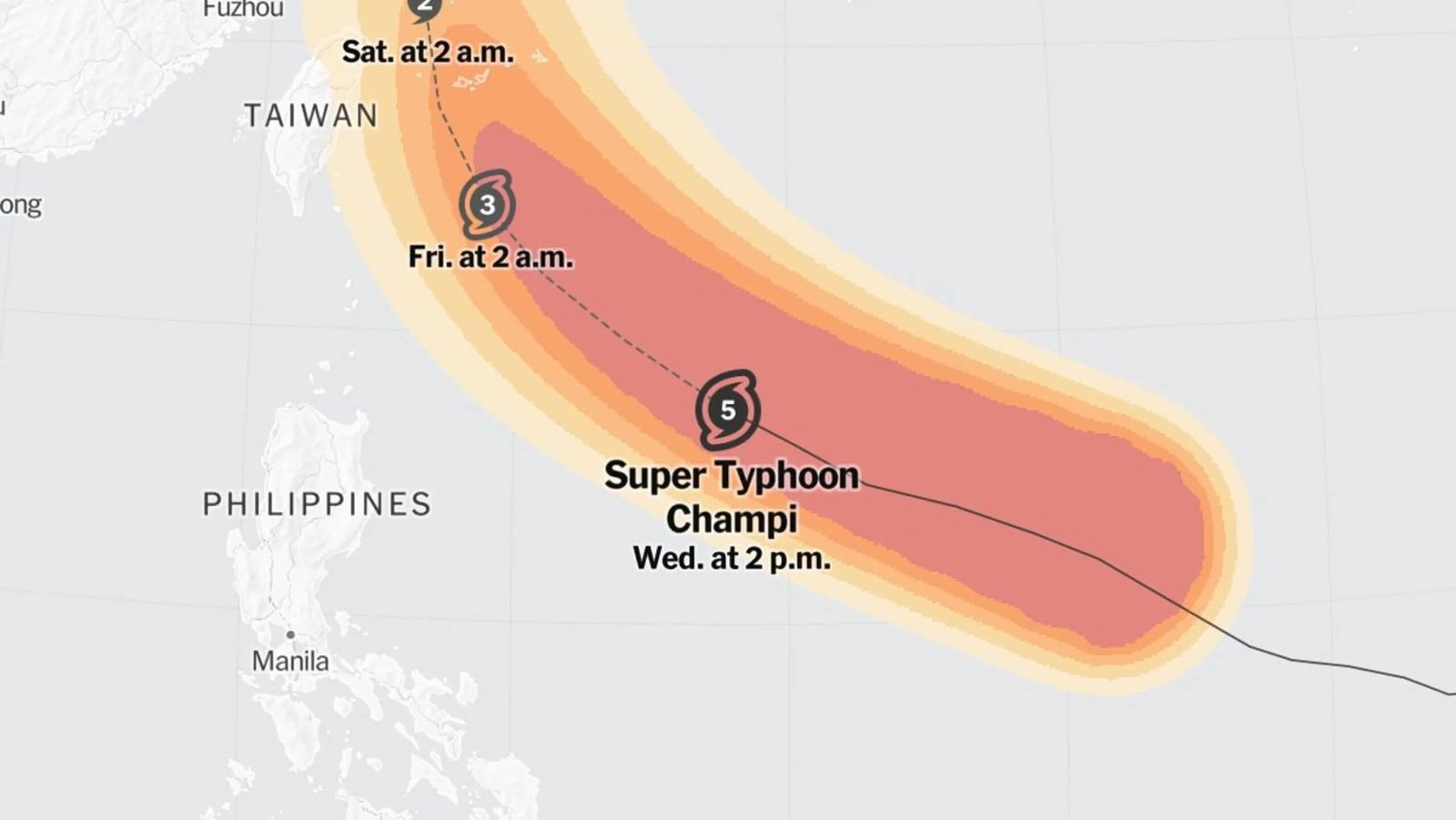
Types of Tropical Storms: Super Typhoon Champi is moving across the western Pacific Ocean with extremely strong winds. The storm reached sustained winds of around 180 miles per hour (290 km/h), making it one of the strongest storms being tracked this year. But its strength has started to drop.
According to the latest advisory from the US National Weather Service on Wednesday, October 21, Champi had maximum sustained winds of 175 mph and was moving west-northwest across the Philippine Sea. It had already passed close to Guam and was moving in the general direction of Taiwan. Forecasters expected it to weaken further through Thursday as it continued over open water.
The storm has also brought attention to the different names used for powerful weather systems. People often use words like hurricane, typhoon and cyclone for the same kind of storm. These names mostly depend on where the storm forms and how strong its winds become.
$1.2 Million in Retirement Savings: How Couples Can Plan for Lower Taxes
Understanding the 4 Types of Tropical Storms
Tropical storms develop over warm ocean waters. They contain clouds, thunderstorms and rotating winds around a centre. But they don’t all begin with the same strength. Weather experts use different classifications to describe how these systems develop.
1. Tropical disturbance
This is an early stage of storm development. It usually involves a moving area of thunderstorms in the tropics that stays organised for at least 24 hours. A tropical disturbance may develop further, but it doesn’t always turn into a tropical storm.
2. Tropical depression
A tropical depression is more organised than a disturbance. Its clouds and thunderstorms have a clearer pattern, with winds circulating around a centre. Under the US National Weather Service classification, its maximum sustained winds are 38 mph or lower.
3. Tropical storm
The system becomes a tropical storm when its sustained winds reach 39 mph and can go up to 73 mph. This is also the stage when it receives an official name. Naming storms makes it easier for weather agencies and the public to identify them in forecasts and warnings.
4. Hurricane, typhoon or cyclone
When sustained winds reach 74 mph or higher, the system enters the hurricane-strength category under the US classification. The name changes according to the region where it forms. The storms are called hurricanes in the Atlantic and northeastern Pacific, typhoons in the western North Pacific, and cyclones in the Indian Ocean and South Pacific.
How to Activate Your Release Card Online in Minutes
These categories help forecasters explain how strong a storm has become. The official definitions are available from the National Hurricane Center.
What Are the Strongest Storms?
Hurricanes and typhoons can cause major damage through powerful winds, heavy rain, flooding and dangerous waves. Their strength is measured using maximum sustained wind speeds, though different weather agencies may use different averaging periods.
A Category 5 hurricane on the Saffir-Simpson scale has sustained winds of at least 157 mph. Champi’s reported winds have reached well above that level, which is why it has been described as a Category 5-equivalent storm. In the western Pacific, it is officially known as a super typhoon.
A super typhoon is an especially powerful typhoon. The US National Weather Service generally uses the term for western Pacific storms with sustained winds of at least 150 mph. Even when such a storm begins to weaken, it can still pose a serious threat to nearby islands and coastal areas.